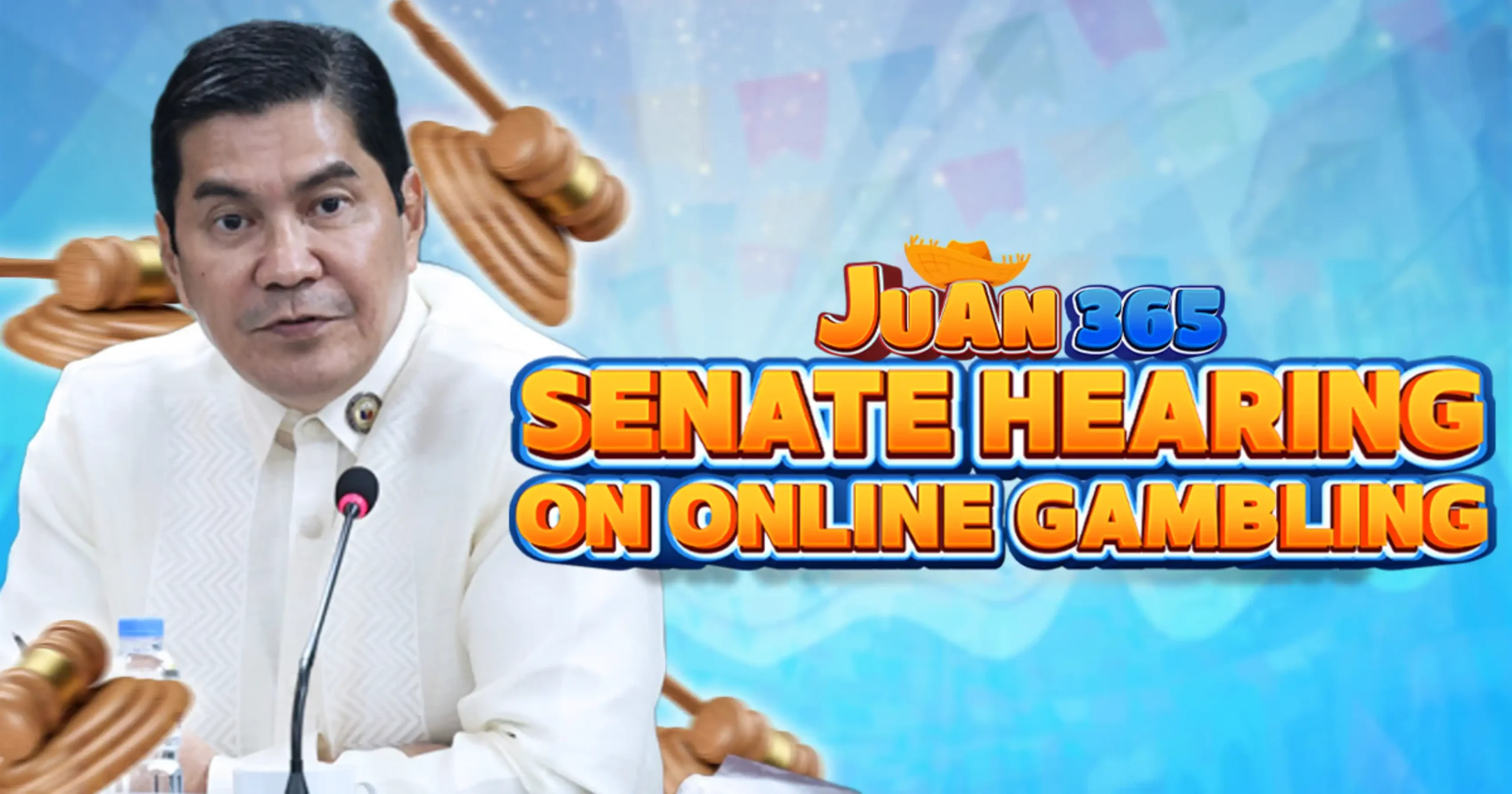
The Philippine Senate held a marathon hearing on online gambling, exposing how digital betting, e-wallet transactions, predatory lending apps, and unchecked advertising have created a public health and financial crisis. Lawmakers are weighing whether stricter regulation will suffice—or whether an outright ban is necessary.
Opening: Bills, Agencies, and First Alarms
The session opened with acknowledgment of senators, the committee secretary, and the reading of bills filed by Senators Loren Legarda, Bong Go, and Raffy Tulfo seeking to prohibit online gaming and its promotions, strengthen enforcement, and impose penalties.
Representatives from PAGCOR, BSP, SEC, DICT, PNP, TikTok, and Google Philippines were identified as resource persons.
Early discussions flagged illegal operator 1xBet for sponsoring sporting events. Senators also raised reports of suicides tied to gaming addiction, instructing the PNP to submit formal data.
Senate Hearing on Online Gambling: Spotlight on E-Wallets
A major part of the hearing focused on e-wallets GCash and Maya. Senators pressed the firms to explain why gaming transactions remain possible despite a BSP circular restricting such use.
- Compliance claims: Both firms said they comply with BSP rules, enforce strict KYC processes, and partner only with PAGCOR-licensed operators.
- Site closures: Maya reported shutting down more than 200 illegal sites in 2024.
- Weak safeguards: Despite mechanisms in place, both admitted difficulty in distinguishing legal from illegal merchants.
Senators also raised the alarming issue of minors accessing gaming platforms through e-wallets. Lawmakers warned that BSP has authority to act immediately, without waiting for new legislation.
Loan Apps Under Fire
The hearing shifted to online lending apps, with SEC officials admitting that many impose 20–30% monthly interest rates—far beyond what Supreme Court rulings (Medel, Castro) have deemed unconscionable.
Other findings included:
- No comprehensive cap on lending rates, aside from BSP rules for loans ≤ ₱10,000 with terms ≤ 4 months.
- Harassment and “shame campaign” collection tactics persist despite SEC Memorandum Circular 18 (2019).
- BSP clarified that its oversight extends only to banks and MFIs—not app-based lenders.
Senators criticized the SEC for weak consumer protection and slow enforcement.
Senate Hearing on Online Gambling: Addiction as a Public Health Crisis
Testimony from Bridges of Hope rehabilitation center underscored gambling’s human toll.
- Seven out of ten patients in 2025 were admitted for gaming addiction, compared to less than 10% in previous years.
- Experts stressed addiction is a medical condition like drug or alcohol abuse, yet public awareness is dangerously low.
- Lawmakers dismissed existing slogans like “Gamble Responsibly” as inadequate, noting they lack hotlines or clear support options.
Senators concluded that if gaming generates massive revenues, equal investment in prevention and rehabilitation must follow.
Advertising and Promotions
The Ad Standards Council (ASC) testified that industry messaging had shifted from “Keep it fun” to “Gambling can be addicting. Know when to stop.”
Still, senators called for cigarette-style warnings: “WARNING: Gambling is addictive.”
Concerns included:
- Billboards near schools.
- Radio and TV ads during family hours.
- Aggressive placement on YouTube and social media.
The ASC admitted it is a private self-regulatory body, not a government agency, but promised stricter standards.
Illegal Sites, Influencers, and Enforcement
DICT reported 600 illegal gambling sites blocked, though many reappear under new domains. Over 20 influencers have been flagged and their content taken down for promoting illegal gaming.
Digital Pinoys recommended “cool-down periods” for players suffering heavy losses, and pledged to donate blocking software for three years.
Illegal Online Sabong
PAGCOR confirmed that all forms of online sabong are illegal. The Senate ordered the PNP and NBI to shut down operators and submit a report at the next hearing, assuring law enforcement of full legislative backing.
Closing: Regulation or Ban?
As the Senate hearing on online gambling adjourned, lawmakers summarized the urgent reforms needed:
- Mandatory health warnings on gaming ads.
- Stronger age verification and restrictions on access.
- Aggressive action against illegal sites, apps, and influencers.
- Stricter lending app oversight to protect consumers.
For now, the session is suspended, but the direction is clear: the Philippines must decide whether online gambling can be managed under tighter regulation—or whether the industry should be banned entirely.